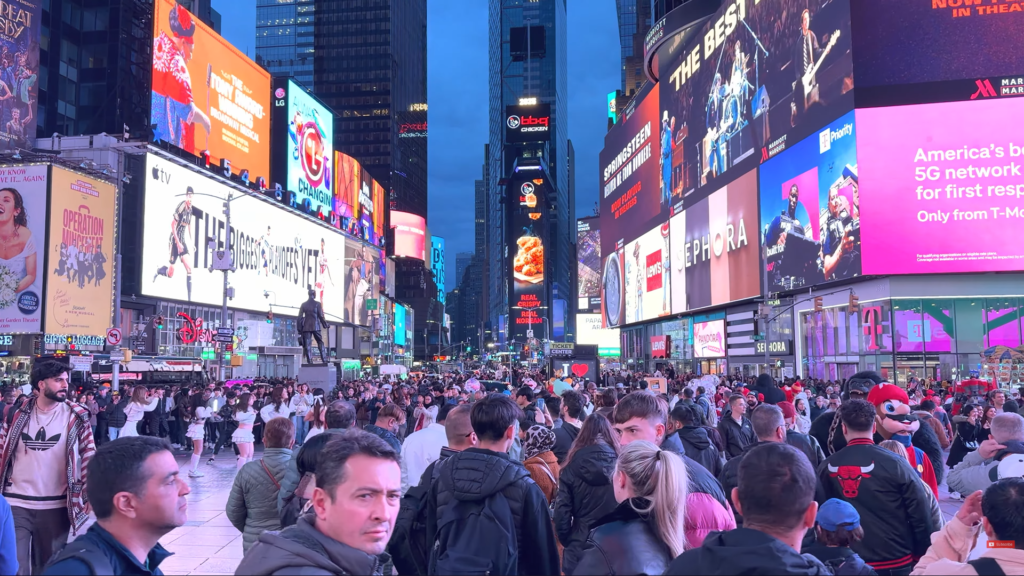
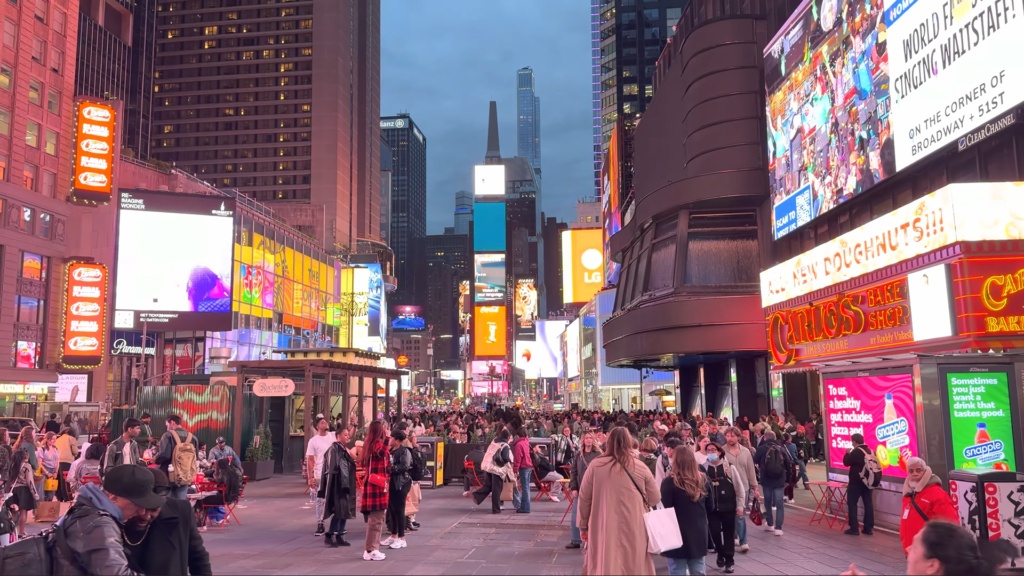
Times Square is one of the most recognized places on Earth, a kaleidoscope of lights, screens, and digital messages that seem to burn into the consciousness of anyone who visits or watches from afar. It’s a crossroads of tourism and global culture and, perhaps most famously, the world’s most valuable outdoor advertising market. The billboards that line its streets are not merely signs; they are symbols of visibility, prestige, and media power. But just how much does it actually cost to place a billboard in Times Square? To answer this, we must explore the economics of outdoor advertising in one of the world’s busiest urban intersections, the forces that drive pricing, the enormous range of options available, and what brands and individuals pay for the honor of being seen there.
At its core, billboard pricing in Times Square is a reflection of visibility and demand. According to advertising industry guides, Times Square is a magnet for foot traffic, drawing hundreds of thousands of pedestrians every day, with numbers swelling even further during peak tourist seasons and major events. Advertisers pay a premium because their messages are seen not just by local crowds but by millions of global eyes — through media coverage, social media sharing, and press amplification. The value of a billboard here is measured not just in impressions per day but in cultural impact and brand exposure that can ripple around the world.
To understand the cost question properly, it’s important to recognize that not all billboards in Times Square are alike. Some are massive digital screens towering above Broadway and Seventh Avenue. Some are mid-sized LED boards. Others are smaller digital placements, kiosks, or shared rotation screens that give advertisers brief, repetitive windows to display messages. The pricing landscape is broad, with options ranging from personal messages on small screens to multimillion-dollar full-facade takeovers that dominate a block for months at a time.
Table of Contents
Quick-reference Table: The Cost of a Billboard in Times Square
| Billboard Type | Typical Size / Visibility | Duration | Approximate Cost Range (USD) | Best For |
|---|---|---|---|---|
| Entry-level digital screen (shared rotation) | Small to medium digital screen, side streets or lower façades | 1 day | $150 – $500 | Personal messages, influencer posts, small promotions |
| Standard digital billboard (shared loop) | Medium screen near busy pedestrian areas | 1 day | $1,000 – $5,000 | Small businesses, short brand visibility |
| Premium digital billboard (high-traffic location) | Large LED screen near Broadway & 7th Ave | 1 day | $10,000 – $25,000 | Brand launches, viral campaigns |
| Weekly digital campaign | Medium to large digital display | 1 week | $20,000 – $60,000 | Sustained brand exposure |
| Monthly digital billboard | Large, highly visible screen | 1 month | $60,000 – $300,000 | National or international brands |
| Iconic mega-screen / building façade | Massive full-building digital display | 1 month | $500,000 – $4,000,000+ | Global brands, major product launches |
| Annual long-term lease | Prime flagship location | 12 months | $2 million – $4 million+ | Corporate branding, long-term dominance |
| New Year’s Eve premium placement | Screens near ball-drop zone | 1 night | $50,000 – $500,000+ | Event-based global exposure |
Why Times Square Demands Premium Rates
The reason Times Square commands such high prices is fundamentally tied to audience reach and density. Daily foot traffic in Times Square can average well over 300,000 people, and during the busiest seasons — especially around holidays — it can exceed half a million individuals in a single day. Add to that global broadcast exposure, especially on nights like New Year’s Eve, and the cumulative reach becomes enormous. Advertisers know that even a single 15-second digital spot on a prominent Times Square screen can generate impressions far beyond what equivalent spending would buy in traditional media.
This is why even digital billboards that might seem small by Times Square standards are priced far higher than similar signs elsewhere. Traditional outdoor advertising, such as a static billboard along a suburban highway, might cost a few thousand dollars a month, but Times Square placements start in the tens of thousands and quickly escalate with location, audience, and exclusivity.
The Wide Range of Billboard Costs
If you picture Times Square billboards as a single uniform product, it helps to adjust that vision. In reality, there is a vast spectrum of pricing tiers based on screen size, location prominence, duration of the campaign, and whether the ad occupies its own screen or shares rotation with others.
At the more accessible end of the range are short-term digital slots that allow individuals or small brands to display a message for a limited time. Some services let you pay as little as a few hundred dollars per day for a short ad loop on a smaller screen, typically in a shared rotation where your content appears periodically throughout the hour. Prices in this tier can range from roughly $300 to several thousand dollars a day, depending on the screen’s visibility and the number of daily plays your ad receives. For example, a 15-second spot on a shared digital screen might cost in the low hundreds per day, while lengthening that to a 30-second window can push prices into the mid-four-figure range.
Even within this relatively “affordable” category, location matters. A digital screen near the busiest pedestrian intersections — such as the “Bowtie” area where Broadway intersects Seventh Avenue between 42nd and 47th Streets — draws far more eyes than screens set back on side streets, and pricing reflects this difference. The busier and more central the screen, the higher the rate, even within the daily rental category.
Above daily placements are multi-day or weekly campaigns. These are more typical for small companies aiming to increase brand recognition in a concentrated period. A mid-size Times Square billboard — still digital but with better visibility and more frequent rotations — might cost tens of thousands of dollars for a week of advertising. Some industry sources suggest weekly rates in the range of $20,000 to $50,000 or more, depending on the screen’s footprint and how often the advertisement plays per hour.
The Pinnacle: Full Takeovers and Long-Term Deals
At the top of the pricing pyramid are full takeovers and long-term leases on the largest and most iconic screens in Times Square. These are the billboards you see in movies and travel guides, gigantic digital façades that dominate entire building faces and are visible from blocks away. Securing a campaign on one of these displays can easily cost hundreds of thousands to several million dollars per month. Annual contracts for prime placements can approach or surpass $4 million, making them investments usually reserved for major global brands, national product launches, or major event announcements.
Just as with real estate, longer commitments often offer more predictable pricing, but they also require substantial financial commitment up front. Negotiating these contracts can take months of planning and must often be arranged well in advance, especially for peak times such as the holiday season when demand surges. Bookings for flagship positions during the busiest months may be sold out six to twelve months ahead of time, reflecting the intense competition for visibility during those peak windows.
Seasonal Peaks and Special Events
Billboard pricing in Times Square is not static; it fluctuates depending on the time of year and special events. Around major holidays, especially late November through January, demand spikes as brands strive to capitalize on increased tourist traffic and global attention. Rates during this period can escalate dramatically, often pushing daily or monthly costs well above off-season pricing. On nights like New Year’s Eve, when the worldwide broadcast focuses on Times Square and the live crowd can exceed a million, billboard costs can multiply accordingly. Estimates for premium New Year’s Eve placements range from tens of thousands to hundreds of thousands of dollars for a single night, with top spots near the ball drop commanding the highest premiums.
The seasonal surge illustrates how billboard advertising in Times Square is not only about physical placement but about timing and cultural relevance. A campaign launched during a quieter season might reach fewer people but cost significantly less, while the same placement during peak tourist months might justify higher expenditure because of amplified visibility.
Additional Costs: Beyond Space Rental
When people think about billboard costs, they often focus solely on the price tag for the space. In Times Square, however, that is only part of the total investment. A campaign’s cost must also account for production, creative development, and technical execution. Static billboards, for example, require printing, materials, installation, and sometimes structural engineering to ensure that enormous prints can withstand weather and visibility requirements. Production costs can range from tens of thousands to substantial six-figure sums, depending on size and complexity.
Digital billboards eliminate many of the physical production costs, since content can be uploaded electronically. Still, professional graphic design, animation, and video production — particularly for high-impact content intended to stand out in a sea of competing visuals — can add significant expense. Most advertisers invest heavily in this creative work to ensure their messages capture attention and are memorable.
Agency fees represent another layer of cost. Advertising agencies typically charge commissions based on the total campaign budget, often ranging from 10 to 20 percent of media costs. These fees cover planning, negotiation, placement strategy, reporting, and campaign optimization. Permit fees and compliance with local advertising standards — such as restrictions on alcohol or political content — can also introduce administrative expenses, although these are usually marginal compared with media and production costs.
Affordability and Accessibility: New Options
Interestingly, the idea that Times Square billboards are completely out of reach for smaller brands or individuals has changed somewhat in recent years. Certain billboard networks have introduced low-entry options — digital displays that offer short play windows at a fraction of the traditional cost. These are typically shared rotation placements, where a personal message or photo might be shown for a few seconds every hour over a 24-hour period. Prices for these entry-level slots can start around $150–$300, making them accessible for celebrations, personal milestones, or experimental marketing.
These budget-friendly options do not equate to full-screen dominance on major facades, but they do provide meaningful exposure within Times Square’s visual landscape. They are popular among social media influencers, small business owners looking to get creative with marketing, and individuals seeking a memorable way to mark a personal event. Even though the cheapest packages are far removed from the multimillion-dollar traditional campaigns, their existence says a lot about how digital technology and new advertising models are reshaping outdoor media.
The Strategic Value of Billboard Advertising in Times Square
Billboards in Times Square are not just expensive signs; they are strategic media assets. For global brands, these placements offer more than daily impressions — they provide social currency. Coverage of a Times Square campaign in online outlets, on social platforms, and in broadcast media extends the value of a billboard far beyond its physical location. A well-executed campaign can achieve exponential reach, creating conversations and brand associations that last long after the physical display has turned off.
Marketers often view Times Square not as a static billboard but as an amplifier — a place where visibility translates into cultural relevance. That is why brands invest heavily not only in the billboard rental itself but in the campaign’s creative elements and accompanying digital strategy. They understand that Times Square serves as both a local outdoor advertising platform and a global broadcast stage.
Final Perspective
The cost of a billboard in Times Square ranges from a few hundred dollars a day for short digital slots to several million dollars per month for the most premium, high-impact locations. Prices vary dramatically depending on screen size, placement, duration, seasonality, and whether the campaign is a short-term grab for attention or a long-term brand investment. Advertisers must also factor in production, creative development, and agency support costs, which can further elevate the total budget.
Times Square billboard advertising is expensive because it works. It places brands in front of massive live audiences, global media coverage, and social media amplification unmatched by any other outdoor advertising venue. While not every business will invest in the largest screens, the range of pricing options — from entry-level digital displays to flagship full-screen takeovers — means that nearly every enterprise can find a way to participate at a level that matches its goals and resources. In a world where attention is one of the most valuable commodities, Times Square remains the ultimate spotlight.