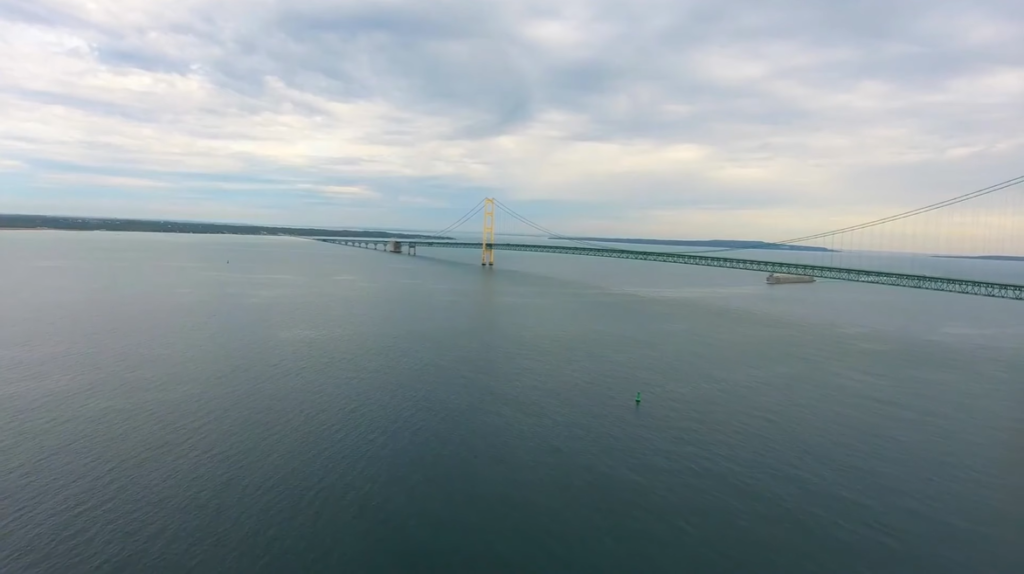
The Great Salt Lake in Utah is one of the most unusual lakes in the world. Visitors who see its shimmering water for the first time often ask a very practical question: can you actually swim in it? The short answer is yes — not only can you swim in the lake, but floating in it is one of its most famous experiences. However, swimming in this lake is very different from swimming in a freshwater lake or even the ocean. The water chemistry, density, shoreline conditions, and environmental factors all combine to create an experience unlike almost anywhere else on Earth.
Understanding whether you can swim in the Great Salt Lake requires looking beyond a simple yes or no. The real story involves physics, biology, comfort, safety, and expectations.
Table of Contents
Why the Lake Allows You to Float So Easily
The most striking feature of swimming in Great Salt Lake is buoyancy. People who enter the water quickly notice they cannot sink easily. Even individuals who struggle to float in pools or the ocean often find themselves effortlessly staying on the surface.
This happens because the lake contains an extremely high concentration of dissolved salts. When water becomes dense due to salt content, the human body becomes relatively lighter compared to the surrounding water. The result is natural flotation. The sensation feels closer to lying on a mattress than swimming.
Ocean water already provides some buoyancy, but the Great Salt Lake is several times saltier than seawater in many areas. That means a swimmer does not need to tread water continuously. You can lean back, stretch out your arms and legs, and remain afloat with minimal effort.
However, this buoyancy also changes how you move. Traditional swimming strokes do not feel the same. Kicking downward tends to push the body upward instead of forward, and diving underwater is surprisingly difficult. Many visitors end up simply floating rather than swimming in the conventional sense.
What Swimming Actually Feels Like
Entering the lake feels unusual from the first step. The shoreline is often shallow, and you may need to walk some distance before the water reaches waist depth. The lakebed varies between sandy, muddy, and mineral-crusted textures, which can feel slippery or sticky underfoot.
Once you begin moving through the water, resistance feels heavier than in freshwater. High mineral concentration makes the water thicker, so strokes require more effort. But because sinking is nearly impossible, fatigue becomes less of a concern.
The most noticeable difference is body position. Instead of vertical swimming posture, people naturally shift into a reclined position. The lake encourages floating rather than traditional swimming. Many visitors spend more time relaxing on the surface than actively moving.
The Effect of Salt on Skin and Eyes
Swimming in hypersaline water has consequences for the body. The salt content is strong enough to sting sensitive areas immediately. If water enters your eyes, it causes intense burning similar to a much stronger version of ocean water irritation. For this reason, swimmers quickly learn to keep their heads above water.
Cuts, scrapes, or shaving nicks produce an instant sharp sensation. Even small abrasions can burn noticeably. This is not dangerous, but it can be uncomfortable.
On the positive side, the mineral-rich water can leave skin feeling unusually smooth after rinsing off. Many visitors compare the sensation to bathing in mineral springs. Historically, people even believed the lake had therapeutic properties, although modern science treats those claims cautiously.
After swimming, rinsing with fresh water is essential. As the water evaporates, salt crystals form on the skin, leaving a white coating. Without rinsing, skin becomes dry and irritated.
Safety Considerations While Swimming
Swimming in the Great Salt Lake is generally safe, but safety depends on understanding its environment. The biggest misconception is that floating means drowning is impossible. While sinking is difficult, improper positioning can still cause problems, especially if water splashes into the mouth or nose.
Because diving is difficult and visibility is low, underwater swimming is not recommended. The dense water makes orientation awkward, and saltwater inhalation is extremely unpleasant.
Weather conditions also matter. The lake is shallow, so waves can develop quickly during windstorms. Strong winds create choppy surfaces that can push swimmers away from shore faster than expected. Staying near designated swimming areas is always wise.
The lake’s shoreline can also change seasonally due to water level fluctuations. What appears to be firm ground may sometimes be soft mud. Moving slowly and wearing water shoes helps prevent slips.
Life in the Water: What You Are Swimming With
Unlike most lakes, the Great Salt Lake contains no fish. Its salinity is simply too high for them to survive. However, the water is not lifeless. Tiny organisms dominate the ecosystem.
Brine shrimp live in massive numbers, along with brine flies whose larvae develop in shoreline areas. These creatures are harmless to humans and do not bite or sting. Swimmers often notice them but quickly realize they pose no threat.
In fact, these organisms make the lake ecologically important. Millions of migratory birds depend on them as a food source. Swimming here means entering a rare biological environment shaped entirely by salt concentration.
Seasonal Differences in Swimming Experience
The experience of swimming in the lake changes throughout the year. During summer, warm temperatures make floating pleasant and comfortable. The water can feel surprisingly mild due to its shallow depth.
In spring, higher water levels may dilute salinity slightly, making swimming feel closer to ocean conditions. During drought periods, evaporation increases salt concentration, intensifying buoyancy and irritation.
Winter swimming is uncommon because cold air temperatures reduce comfort, even though the lake rarely freezes completely due to its salinity.
These seasonal variations mean each visit can feel different, even at the same location.
Popular Swimming Areas
Several access points around the lake allow safe swimming. Beaches with gradual entry and facilities make the experience easier for visitors. Areas near public parks are typically maintained and monitored, making them more suitable than isolated shorelines.
Water depth varies widely around the lake, so choosing a known swimming site helps avoid muddy flats or extremely shallow sections. The lake’s fluctuating shoreline sometimes moves far from parking areas, requiring longer walks to reach deeper water.
Despite these challenges, designated swimming beaches remain popular because floating in such dense water is a rare experience in North America.
Comparison With the Dead Sea Experience
Many travelers compare swimming here to floating in Dead Sea. The sensation is indeed similar. Both bodies of water allow effortless floating due to extreme salinity. However, the Dead Sea is even saltier, so buoyancy there is slightly stronger.
The Great Salt Lake provides a comparable experience without international travel. Visitors can experience hypersaline floating in the United States, which contributes to the lake’s tourism appeal.
Environmental Changes Affecting Swimming
In recent decades, water levels in the lake have fluctuated significantly due to drought and water diversion. Lower water levels increase salinity, which changes the swimming experience. Higher salinity enhances floating but intensifies skin irritation and eye discomfort.
Environmental management efforts aim to maintain ecological balance because extreme changes threaten wildlife that depends on brine shrimp populations. For swimmers, these changes mostly affect comfort rather than safety.
The lake remains accessible, but its shoreline and water chemistry are constantly evolving.
Is Swimming Enjoyable?
Enjoyment depends on expectations. Those expecting traditional swimming may find it unusual. It is difficult to dive, difficult to swim laps, and uncomfortable to submerge the face.
However, for relaxation and novelty, the experience is exceptional. Floating effortlessly on the water while surrounded by mountains and open sky creates a memorable sensation. Many visitors describe it as peaceful rather than athletic.
The lake transforms swimming into floating meditation more than physical exercise.
Conclusion
Yes, you can absolutely swim in the Great Salt Lake, but swimming there does not resemble swimming anywhere else. The high salt concentration makes sinking nearly impossible and turns the activity into effortless floating. While the water may sting the eyes and require rinsing afterward, it remains safe and accessible for visitors who understand its unique conditions.
The absence of fish, presence of microscopic life, shifting shoreline, and mineral-rich water combine to produce an experience closer to drifting than swimming. For many people, that difference is exactly what makes the lake unforgettable.
Instead of asking whether you can swim in the Great Salt Lake, a better question might be whether you are ready to experience water that refuses to let you sink.