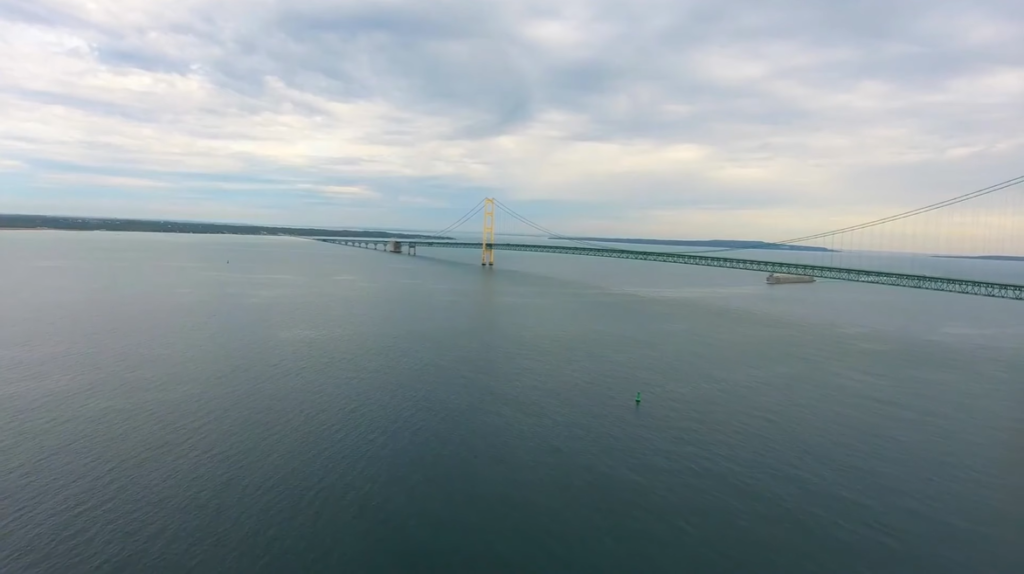
The Great Salt Lake in northern Utah is one of the world’s most iconic saline lakes. Its striking blue surface, vast expanses, and stark landscapes make it a geological wonder. Yet beneath its shimmering waters lies an ecological paradox: though renowned for its extreme salinity, it is still host to forms of aquatic life. When people ask about fish in the Great Salt Lake, they often expect to hear about trout or bass swimming among reeds. Instead, the story is far more unusual, shaped by the lake’s unique chemistry, fluctuating water levels, and dramatic environmental pressures.
The Great Salt Lake is not a typical lake by any definition. It is endorheic, meaning it has no outlet to the sea. Water flows in from rivers such as the Bear, Weber, and Jordan, but it can only leave by evaporation. This causes salts to accumulate over thousands of years, making the lake’s water much saltier than ocean water—a condition that defines everything that lives there. Salinity levels vary based on lake level and location, but in many parts of the lake, they far exceed what most fish species can tolerate. Fish, by and large, are absent, replaced by specialized organisms adapted to life in hypersaline environments.
Table of Contents
Why Fish Are Rare in the Great Salt Lake
The short answer to why fish are largely absent from the Great Salt Lake is salinity. Most freshwater fish species have evolved in environments where dissolved salts are measured in parts per thousand far lower than ocean water. Even marine fish, which tolerate saltwater, rely on complex physiological systems to balance salt and water in their bodies. When salinity climbs beyond certain thresholds, these systems are overwhelmed. In the Great Salt Lake, salinity often rises above 10% (100 grams of salt per liter)—many times greater than the ocean’s average of 3.5%. At such levels, typical fish cannot survive.
The lake’s salinity is not uniform. A railroad causeway bisects the lake into a northern and southern arm, each with different salinity regimes. The north arm, cut off from much of the inflow, consistently has the highest salinity—sometimes exceeding 25%. In those brine conditions, only the hardiest microorganisms thrive. Farther south, closer to the inflows of fresh river water, salinity is lower—sometimes near levels that freshwater-tolerant species can endure. These gradients are critical to understanding where—and whether—fish can live at all.
One of the few areas where fish have ever been recorded in the lake is in nearshore freshwater delta regions, where rivers enter the lake and dilute the salt content. These zones can temporarily support juvenile fish and freshwater species that wander in from rivers. Even here, survival is precarious; as lake levels fall and salinity intrudes farther inland, these refuges shrink or disappear entirely. For most of the lake’s history, the environment has simply been too saline for fish to establish permanent populations.
Quick Reference: Fish Associated with the Great Salt Lake Ecosystem
| Fish Species | Native / Introduced | Where It Lives Around the Lake | Salt Tolerance | Ecological Role |
|---|---|---|---|---|
| Bonneville Cutthroat Trout | Native | Cold mountain tributaries flowing into Great Salt Lake | Cannot tolerate salt | Indicator of healthy watershed streams |
| Utah Sucker | Native | River mouths and freshwater marshes | Low tolerance | Recycles nutrients and supports food web |
| June Sucker | Native (Endangered) | Connected river–lake wetland system | Very low tolerance | Sensitive species showing ecosystem stability |
| Common Carp | Introduced | Shallow wetlands and delta marshes | Slight tolerance | Alters vegetation and sediment structure |
| Channel Catfish | Introduced | Slow rivers and deeper channels | Low tolerance | Predator controlling smaller fish populations |
| White Bass | Introduced | Freshwater inflows and estuaries | Low tolerance | Seasonal migratory feeder |
| Northern Pike | Introduced | Vegetated marshes near inflow zones | Low tolerance | Top wetland predator |
| Fathead Minnow | Native | Shallow wetlands and ponds | Slight tolerance | Key prey species for birds and fish |
| Longnose Dace | Native | Cool rocky tributary streams | None | Maintains stream ecosystem balance |
| Mountain Whitefish | Native | Cold clean rivers in watershed | None | Sensitive indicator of water quality |
Bonneville Cutthroat Trout
The Bonneville cutthroat trout is the most iconic native fish connected to the Great Salt Lake ecosystem. Historically, it occupied nearly every freshwater tributary flowing into the ancient Lake Bonneville, the massive Ice Age lake that once covered much of Utah. When that prehistoric lake shrank, populations became isolated in mountain streams and rivers.
Today, this trout survives primarily in the watershed streams feeding the lake, especially cold, oxygen-rich mountain tributaries. It depends on seasonal flows that eventually carry nutrients into the lake’s marshes, feeding birds and invertebrates. Although the trout never enters the salty open lake, the lake’s existence supports the broader watershed hydrology that sustains the species.
The trout’s lifecycle demonstrates the connection between the lake and surrounding ecosystems. Snowpack melts in the mountains, flows through rivers, nourishes trout habitat, and finally ends in the salt lake basin. Without the lake acting as a hydrological endpoint, these freshwater systems would function very differently.
Utah Sucker
The Utah sucker is a native species uniquely adapted to western basin rivers. It thrives in slow-moving streams, estuaries, and shallow deltas where freshwater meets slightly brackish water. These mixing zones occur where rivers empty into the lake’s wetlands.
Unlike trout, which need cold water, the Utah sucker tolerates warmer and more mineral-rich environments. This allows it to occupy areas very close to the lake shoreline. During high water years, individuals may enter slightly salty marsh channels but retreat before salinity rises to lethal levels.
The species plays a vital ecological role. By feeding on algae and organic material, it recycles nutrients that ultimately support brine shrimp populations offshore. In an indirect way, fish like the Utah sucker contribute to the lake’s famous bird migrations.
June Sucker
One of the most endangered fish in the region is the June sucker. Historically widespread, it now survives mainly in connected waterways including habitats influenced by the lake’s watershed system. Conservation programs carefully manage spawning flows, water quality, and temperature.
The species depends on stable hydrology, which the lake historically helped regulate. Large lakes moderate regional climate, maintain groundwater levels, and stabilize river discharge. As lake levels decline, river ecosystems become more variable, threatening fish spawning success.
The June sucker therefore represents more than a single species survival story. It illustrates how shrinking lake volume can ripple outward into surrounding freshwater habitats.
Common Carp
Introduced in the 1800s, the common carp has become one of the most widespread fish in the lake’s wetland regions. Carp tolerate murky, warm, and nutrient-rich waters, allowing them to dominate marsh habitats around river deltas.
They do not survive in the main lake because of salinity, but they flourish in connected shallow wetlands. Their feeding behavior uproots aquatic plants and stirs sediment, which alters habitat for native fish and birds. As a result, carp are often considered both ecologically destructive and economically significant because removal programs employ local fisheries.
The carp’s success shows how human introduction of species can reshape ecosystems surrounding extreme environments like the Great Salt Lake.
Channel Catfish
Channel catfish inhabit deeper freshwater channels and slow river stretches feeding the lake. These fish are opportunistic predators, feeding on insects, smaller fish, and organic debris. During seasonal high water, they approach brackish zones but remain in freshwater pockets.
Catfish populations depend heavily on river inflow consistency. When water diversions reduce flow toward the lake, habitat shrinks and temperatures rise, stressing the species. Although they never enter the lake proper, the lake’s hydrological balance determines how suitable their environment remains.
Recreational anglers often encounter channel catfish near river mouths, making them a recognizable part of the broader Great Salt Lake fish community.
White Bass
White bass represent a migratory species in connected waterways. They move seasonally through freshwater channels, feeding aggressively during spawning runs. The estuarine zones near river mouths provide ideal feeding grounds due to high nutrient concentrations.
These fish demonstrate how the lake’s productivity influences surrounding freshwater fisheries. Nutrients concentrate at inflow areas, supporting plankton, which feeds insects, which feed fish. Even though the fish cannot tolerate saltwater levels, the presence of the lake boosts biological productivity nearby.
Northern Pike
Northern pike inhabit vegetated wetlands around river deltas entering the lake, especially in slow channels and marsh pools. These ambush predators rely on aquatic plants for camouflage and require stable water levels.
Declining lake levels threaten such habitats because marshes dry or become overly saline. When wetlands recede, pike lose spawning grounds. This is one of the clearest examples of how a shrinking salt lake indirectly reduces freshwater fish populations without ever exposing them to salt.
Fathead Minnow
The fathead minnow is a small but ecologically critical species. It occupies shallow wetlands and serves as prey for larger fish and birds. These minnows tolerate variable conditions better than most species and often inhabit transitional waters near lake marshes.
Because they reproduce quickly, they are indicators of ecosystem health. When lake levels fall and wetlands shrink, minnow populations decline, triggering cascading food web effects impacting birds and larger fish alike.
Longnose Dace
The longnose dace prefers cool flowing water and rocky substrates in tributary streams. It represents the mountain component of the lake ecosystem. Snowmelt streams feeding the lake provide ideal conditions for this species.
Changes in precipitation patterns linked to declining lake surface area can alter stream temperatures and flows, indirectly threatening dace populations. Thus, even distant high-elevation fish depend on the stability of the Great Salt Lake basin.
Mountain Whitefish
Mountain whitefish inhabit cold rivers in the watershed and are sensitive to environmental changes. They require clean gravel beds for spawning. When water withdrawals reduce river levels, sediment concentration increases and spawning success declines.
Though geographically separated from the salty water, the fish’s fate remains tied to watershed hydrology governed by the lake’s overall water balance.
The Role of Rivers Feeding the Lake
The fish community surrounding the lake exists primarily within three major inflow rivers: the Bear River, the Weber River, and the Jordan River. These waterways form a network connecting mountains, wetlands, and the saline basin.
Fish diversity concentrates where freshwater meets marshland. These estuaries act as biological engines, converting river nutrients into food sources for birds and invertebrates. Without them, the Great Salt Lake would still be salty water, but it would lose most of its ecological importance.
How Fish Support the Lake’s Famous Bird Populations
The lake hosts millions of migratory birds annually. While brine shrimp feed birds offshore, fish in surrounding wetlands feed wading birds and predators. Pelicans, herons, and egrets rely heavily on fish living in freshwater marshes.
This relationship demonstrates a layered ecosystem. The salty lake supports shrimp, shrimp support certain birds, and fish support others. Together they create one of North America’s largest migration hubs.
Conclusion: A Fishless Lake That Still Needs Fish
The Great Salt Lake appears lifeless at first glance because no fish swim in its open waters. However, the surrounding ecosystem reveals a far richer story. Trout, suckers, minnows, catfish, bass, and pike all depend on rivers and wetlands shaped by the lake’s presence.
The lake functions as the basin heart of a vast watershed. Its salinity excludes fish, but its hydrology sustains them. If the lake shrinks dramatically, fish populations decline even without direct exposure to salt.
Therefore, the question is not whether fish live in the Great Salt Lake, but whether the Great Salt Lake allows fish to live around it. The answer is yes. The lake is not a fish habitat, yet it remains a fish ecosystem cornerstone.