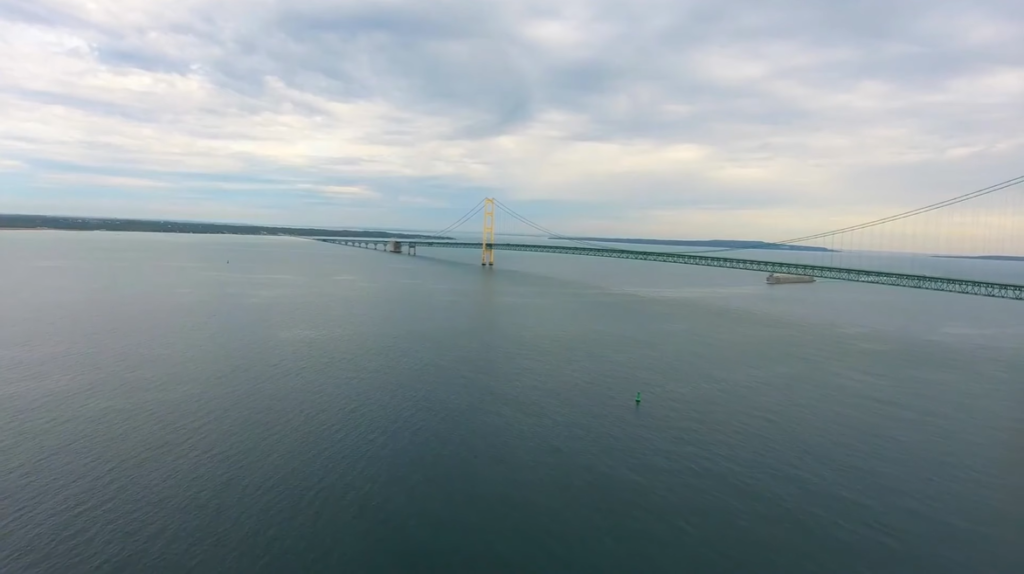
Lake Superior is the largest freshwater lake by surface area in the world and the largest of the five Great Lakes of North America. It lies in the northern part of the continent, forming a natural boundary between the United States and Canada. Its vast size, strategic location, and international shoreline make it geographically and economically significant. Lake Superior has been historically important for shipping and transportation of goods between the United States and Canada.

Table of Contents
Location of Lake Superior: Country, States, Cities
Lake Superior is located in North America, bordered by two countries, four U.S. states, and one Canadian province. It sits at the westernmost and northernmost position of the Great Lakes system.
| Category | Details |
|---|---|
| Country | United States, Canada |
| U.S. States | Minnesota, Wisconsin, Michigan |
| Canadian Province | Ontario |
| Major U.S. Cities | Duluth (Minnesota), Superior (Wisconsin), Marquette (Michigan), Houghton (Michigan) |
| Major Canadian Cities | Thunder Bay (Ontario), Sault Ste. Marie (Ontario) |
| Geographic Region | Upper Midwest (USA), Central Canada |
| Part of | Great Lakes System |
Countries Bordering Lake Superior
Lake Superior is shared by two countries, the United States and Canada. It forms a natural international boundary.
U.S. States Bordering Lake Superior
In the United States, Lake Superior is bordered by three states: Minnesota to the west, Wisconsin to the southwest, and Michigan to the southeast. These states together form the southern shoreline of the lake and host several important ports and coastal communities.
Canadian Province Bordering Lake Superior
In Canada, Lake Superior lies entirely within the province of Ontario. Ontario occupies the northern and northeastern shoreline of the lake, featuring rugged coastlines, cliffs, and forested landscapes.
Major Cities on Lake Superior
Lake Superior’s shoreline includes several important port cities, industrial centers, and regional hubs, especially on the U.S. side. On the U.S. side, key cities include Duluth in Minnesota, Superior in Wisconsin, Marquette and Houghton in Michigan, which serve as important ports and regional centers. On the Canadian side, Thunder Bay and Sault Ste. Marie in Ontario are major urban hubs connected to shipping, trade, and tourism.
Major Cities on Lake Superior in the United States
| City | State | Shoreline Position | Importance |
|---|---|---|---|
| Duluth | Minnesota | Western tip | Largest U.S. port on Lake Superior |
| Superior | Wisconsin | Western tip | Twin port city with Duluth |
| Marquette | Michigan | Southern shore | Regional hub, education center |
| Houghton | Michigan | Southern shore | Near Keweenaw Peninsula |
| Sault Ste. Marie | Michigan | Eastern outlet | Gateway to Soo Locks |
Major Cities on Lake Superior in Canada
| City | Province | Shoreline Position | Importance |
|---|---|---|---|
| Thunder Bay | Ontario | Northwestern shore | Largest Canadian city on the lake |
| Sault Ste. Marie | Ontario | Eastern outlet | Twin city with U.S. counterpart |
| Terrace Bay | Ontario | Northern shore | Small port town |
| Marathon | Ontario | Northern shore | Mining and shipping town |
Size of Lake Superior: Surface Area, Volume, Length, Width, Shoreline, Depth
Lake Superior is the largest of the five Great Lakes and the largest freshwater lake in the world by surface area. Its enormous physical dimensions give it ocean-like characteristics, influencing regional climate, shipping, and freshwater storage. Measuring the size of Lake Superior involves multiple parameters, including surface area, volume, length, width, shoreline length, and depth, each of which highlights a different aspect of its vast scale.
| Feature | Measurement |
|---|---|
| Surface Area | ~31,700 sq mi (82,100 sq km) |
| Volume | ~2,900 cu mi (12,100 cubic km) |
| Maximum Length | ~350 mi (563 km) |
| Maximum Width | ~160 mi (257 km) |
| Shoreline Length | ~2,726 miles (4,387 km) |
| Average Depth | ~483 ft (147 m) |
| Maximum Depth | ~1,333 ft (406 m) |
Surface Area of Lake Superior
Lake Superior covers an approximate surface area of 31,700 square miles (82,100 square kilometers), making it the largest freshwater lake on Earth by area. This single lake accounts for nearly half of the total surface area of the entire Great Lakes system. Its surface area alone is larger than that of several countries, demonstrating its exceptional geographical importance.
Volume of Lake Superior
Lake Superior contains an estimated 12,100 cubic kilometers of water (2,900 cubic miles), making it the most voluminous freshwater lake in North America. The lake holds approximately 10% of the world’s surface freshwater, a figure that underscores its global hydrological significance. The immense volume is a result of both its large surface area and great depth.
Maximum Length of Lake Superior
The maximum length of Lake Superior is about 350 miles (563 kilometers), measured from its westernmost point near Duluth, Minnesota, to its eastern outlet at the St. Marys River. This long east–west stretch allows strong winds to build over open water, contributing to powerful waves and severe storms.
Maximum Width of Lake Superior
Lake Superior reaches a maximum width of approximately 160 miles (257 kilometers) at its widest north–south extent. This broad width creates vast open-water conditions that closely resemble inland sea environments, reinforcing the lake’s reputation for unpredictable weather and large wave formation.
Shoreline Length of Lake Superior
The total shoreline length of Lake Superior, including islands, is approximately 2,726 miles (4,387 kilometers). This is the longest shoreline among all the Great Lakes. The shoreline varies widely in character, ranging from steep rocky cliffs and headlands to sandy beaches and protected bays.
Depth of Lake Superior
Lake Superior is the deepest of the Great Lakes, which greatly contributes to its massive volume and cold water temperatures. Its deepest point reaches about 406 meters (1,333 feet), while the average depth is approximately 147 meters (483 feet). These depths help maintain low evaporation rates and allow cold water to persist even during summer months.
Is Lake Superior the Largest Freshwater Lake in the World?
Lake Superior is considered the largest freshwater lake in the world because of the way “largest” is defined in geography, which most commonly refers to surface area. Lake Superior covers an enormous area of about 31,700 square miles (82,100 square kilometers), which is greater than any other freshwater lake on Earth. This single measurement places it ahead of all others globally.
The lake’s vast surface area is the result of its glacial origin. During the last Ice Age, massive glaciers carved out an extremely large and deep basin in the bedrock of North America. When the glaciers melted, this basin filled with freshwater, creating a lake that spread across a wide region rather than becoming narrow or elongated like many other large lakes.
Another reason Lake Superior ranks as the largest is its combination of width and length. The lake stretches roughly 350 miles (563 kilometers) from west to east and reaches about 160 miles (257 kilometers) at its widest point. These dimensions allow the lake to cover more land area than any other freshwater lake, even those that may be deeper or longer.
Depth also plays an important supporting role. Lake Superior is the deepest of the Great Lakes, with a maximum depth of about 406 meters (1,333 feet) and an average depth of around 147 meters (483 feet). While depth alone does not determine the “largest” title, it contributes to the lake’s massive water volume and helps maintain its cold, stable waters.
Compared to other major freshwater lakes, Lake Superior outperforms them specifically in surface area. Lake Victoria in Africa is large but still smaller in area, while Lake Baikal in Russia holds more water due to its extreme depth but covers far less surface. This distinction explains why Lake Superior is the largest by area, while Lake Baikal is the largest by volume.
| Rank | Freshwater Lake | Surface Area |
|---|---|---|
| 1. | Lake Superior (USA–Canada) | ~31,700 sq mi (82,100 sq km) |
| 2. | Lake Victoria (Africa) | ~26,600 sq mi (68,800 sq km) |
| 3. | Lake Huron (USA–Canada) | ~23,000 sq mi (59,600 sq km) |
| Rank | Freshwater Lake | Water Volume |
|---|---|---|
| 1. | Lake Baikal (Russia) | ~5,670 cu mi (23,600 cubic km) |
| 2. | Lake Superior (USA–Canada) | ~2,900 cu mi (12,100 cubic km) |
Because it spreads across such a vast surface, Lake Superior behaves more like an inland sea than a typical lake. Its size allows for strong storms, large waves, and significant influence on regional climate. These physical characteristics reinforce why Lake Superior is globally recognized as the largest freshwater lake in the world by surface area.
Lake Superior Compared to Other North American Lakes
Lake Superior stands apart from all other North American lakes because of its extraordinary size, depth, and water volume. While North America is home to thousands of lakes, including some of the largest freshwater bodies in the world, none match Lake Superior’s dominance when multiple size-related factors are considered together. Comparing Lake Superior with other major North American lakes highlights why it holds such a unique geographical position.
When lakes are compared by surface area, Lake Superior clearly ranks first in North America. Its surface area of approximately 82,100 square kilometers (31,700 square miles), is larger than any other lake on the continent. Even the next largest lakes fall far behind, showing how exceptional Lake Superior’s spread truly is.
| Rank | Lake | Surface Area |
|---|---|---|
| 1. | Lake Superior | ~82,100 sq km (31,700 sq mi) |
| 2. | Lake Huron | ~59,600 sq km (23,000 sq mi) |
| 3. | Lake Michigan | ~58,000 sq km (22,400 sq mi) |
| 4. | Great Bear Lake | ~31,100 sq km (12,000 sq mi) |
| 5. | Great Slave Lake | ~27,200 sq km (10,500 sq mi) |
In terms of water volume, Lake Superior again ranks at the top among North American lakes. It contains approximately 12,100 cubic kilometers of water, equivalent to about 2,900 cubic miles. This volume alone exceeds that of all other Great Lakes combined, largely due to its great depth and expansive basin.
| Rank | Lake | Water Volume |
|---|---|---|
| 1. | Lake Superior | ~12,100 cubic km (2,900 cu mi) |
| 2. | Lake Michigan | ~4,900 cubic km (1,200 cu mi) |
| 3. | Lake Huron | ~3,540 cubic km (850 cu mi) |
| 4. | Great Slave Lake | ~2,090 cubic km (500 cu mi) |
Depth is another category in which Lake Superior clearly dominates. With a maximum depth of about 406 meters, or 1,333 feet, it is the deepest lake in North America. Other large lakes are significantly shallower, which limits their total water volume even if they cover a wide area.
| Rank | Lake | Maximum Depth |
|---|---|---|
| 1. | Lake Superior | ~406 m (1,333 ft) |
| 2. | Great Slave Lake | ~614 m (2,014 ft) |
| 3. | Lake Michigan | ~281 m (923 ft) |
| 4. | Lake Huron | ~229 m (750 ft) |
Shoreline length further emphasizes Lake Superior’s scale. Including islands, its shoreline stretches approximately 4,387 kilometers, or 2,726 miles. This extensive shoreline surpasses that of any other Great Lake and reflects the lake’s irregular shape, rocky headlands, and numerous bays.
| Rank | Lake | Shoreline Length |
|---|---|---|
| 1. | Lake Superior | ~4,387 km (2,726 mi) |
| 2. | Lake Huron | ~3,827 km (2,378 mi) |
| 3. | Lake Michigan | ~2,640 km (1,640 mi) |
Beyond numerical comparisons, Lake Superior differs from other North American lakes in how it behaves. Its massive size allows strong winds to build across open water, creating waves and storms similar to those found on seas. The lake’s depth keeps water temperatures cold year-round, influencing weather patterns far beyond its shores.
Overall, when Lake Superior is compared to other North American lakes, it consistently ranks at or near the top in nearly every major physical category. Its unmatched surface area, enormous volume, exceptional depth, and extensive shoreline collectively explain why Lake Superior is not only the largest lake in North America but also one of the most significant freshwater bodies on Earth.
Formation and History of Lake Superior
Lake Superior’s immense size and rugged shoreline are the result of a long and complex geological and human history. From its formation during ancient rifting and glacial activity to its importance in Indigenous cultures and later European exploration, the story of Lake Superior spans billions of years and multiple civilizations.
Glacial Origin
Lake Superior’s geological foundation was created nearly 1.1 billion years ago during a massive continental rifting event known as the Midcontinent Rift. This rift began to split the North American continent apart but eventually failed, leaving behind deep cracks filled with volcanic rock. These ancient rift valleys later became the structural basin that would hold Lake Superior. Much later, during the last Ice Age, enormous glaciers advanced and retreated across this basin, carving it deeper and wider. As the glaciers melted about 10,000 years ago, meltwater filled the basin, forming the modern lake. This glacial activity shaped Lake Superior’s steep cliffs, deep basins, and irregular shoreline, giving it the characteristics of an inland sea.
| Geological Phase | Approximate Time Period | Impact on Lake Superior |
|---|---|---|
| Midcontinent Rift | ~1.1 billion years ago | Created the underlying basin |
| Last Ice Age | ~2 million–10,000 years ago | Deepened and widened the basin |
| Post-glacial melting | ~10,000 years ago | Formation of modern Lake Superior |

Indigenous History
Long before European contact, Lake Superior was home to Indigenous peoples, most notably the Ojibwe, also known as the Anishinaabe. For the Ojibwe, the lake is known as Gichigami, meaning “Great Sea,” a name that reflects both its size and spiritual significance. The lake served as a vital source of food, transportation, and trade, with fishing, wild rice harvesting, and seasonal travel forming the foundation of Ojibwe life. Canoe routes across Lake Superior and its tributaries connected communities across a vast region. Oral traditions, ceremonies, and place names tied the Ojibwe people closely to the lake, emphasizing respect for its power and resources.
European Exploration
European exploration of Lake Superior began in the 17th century, driven largely by the fur trade and the search for inland routes across North America. French explorers were the first Europeans to reach the lake, with Étienne Brûlé believed to have seen it in the early 1600s. Later explorers and missionaries, including Pierre-Esprit Radisson and Jacques Marquette, traveled the lake and documented its vast size. The lake quickly became a major corridor for fur trading between Indigenous nations and European traders. Over time, forts and trading posts were established along its shores, laying the groundwork for future settlement and economic development.
| Period | Key European Activities |
|---|---|
| Early 1600s | First European sightings |
| Mid-1600s | French exploration and mapping |
| 1700s | Fur trade expansion |
| 1800s | Mining, shipping, settlement |
As European presence increased, Lake Superior’s role evolved from a trade route to an industrial artery. Iron ore mining, timber transport, and later commercial shipping transformed the region, permanently altering its economic and environmental landscape. Despite these changes, Lake Superior remains deeply connected to both its ancient geological origins and the cultures that have relied on its waters for thousands of years.
Major Rivers Feeding Lake Superior
Lake Superior is primarily fed by more than 200 rivers and streams flowing from the surrounding watershed in the United States and Canada. These rivers provide the main inflow of freshwater to the lake, which has only one natural outlet, the St. Marys River. Although many tributaries are short, several major rivers contribute significant water volume and play an important role in maintaining lake levels and ecosystems.
Major Rivers Feeding Lake Superior (United States)
The United States contributes several important rivers to Lake Superior, mainly from Minnesota, Wisconsin, and Michigan. Among these, the St. Louis River is the largest U.S. tributary by drainage area and discharge.
| River | State(s) | Enters Lake Superior At |
|---|---|---|
| St. Louis River | Minnesota, Wisconsin | Near Duluth–Superior |
| Pigeon River | Minnesota | Northeastern Minnesota |
| Bois Brule River | Wisconsin | Southern shore |
| Bad River | Wisconsin | Chequamegon Bay |
| Ontonagon River | Michigan | Upper Peninsula |
Major Rivers Feeding Lake Superior (Canada)
On the Canadian side, rivers flow southward from the Canadian Shield into Lake Superior. The Nipigon River is the largest tributary overall and supplies a major share of inflow to the lake.
| River | Province | Enters Lake Superior At |
|---|---|---|
| Nipigon River | Ontario | North shore |
| Pic River | Ontario | North-central shore |
| White River | Ontario | Northeastern shore |
| Michipicoten River | Ontario | Eastern shore |
| Kaministiquia River | Ontario | Thunder Bay |
Islands in Lake Superior
Lake Superior has thousands of islands, though only a small number are large or permanently inhabited. The majority of these islands are found along the lake’s northern and western shores, where glacial and geological activity created complex coastlines. These islands vary greatly in size, geology, and habitation, ranging from large, forested landmasses to small rocky outcrops.
The islands of Lake Superior are primarily composed of ancient volcanic and sedimentary rocks associated with the Midcontinent Rift. Glacial erosion shaped their steep cliffs, caves, and wave-cut platforms. Many islands have exposed bedrock, thin soils, and boreal forest vegetation.

Largest Islands in Lake Superior
Several islands stand out due to their size and geographical importance. Isle Royale is the largest island in Lake Superior and is one of the most isolated island ecosystems in North America. Here’s the top 10 largest islands in Lake Superior.
| Rank | Island | Country | Area |
|---|---|---|---|
| 1 | Isle Royale | United States | 535 sq km (207 sq mi) |
| 2 | Michipicoten Island | Canada | 188 sq km (73 sq mi) |
| 3 | St. Ignace Island | Canada | 128 sq km (49 sq mi) |
| 4 | Caribou Island | Canada | 111 sq km (43 sq mi) |
| 5 | Slate Islands | Canada | 110 sq km (42 sq mi) |
| 6 | Stockton Island | United States | 41 sq km (16 sq mi) |
| 7 | Madeline Island | United States | 39 sq km (15 sq mi) |
| 8 | Manitou Island | United States | 30 sq km (12 sq mi) |
| 9 | Gull Island | United States | 27 sq km (10 sq mi) |
| 10 | Sand Island | United States | 22 sq km (8.5 sq mi) |
Major Island Groups
Many of Lake Superior’s islands occur in clusters, formed by erosion-resistant bedrock and glacial deposition. The Apostle Islands are the most well-known group and are protected as a national lakeshore.
| Island Group | Location | Significance |
|---|---|---|
| Apostle Islands | Wisconsin, USA | Largest island group |
| Slate Islands | Ontario, Canada | Unique caribou habitat |
| Huron Islands | Michigan, USA | Remote and sparsely inhabited |
| Gargantua Islands | Ontario, Canada | Rugged Canadian Shield terrain |
Temperature of Lake Superior Throughout the Year
Lake Superior, the largest freshwater lake in North America, is renowned not only for its size but also for its consistently cold waters. The lake’s temperature varies throughout the year, influenced by seasonal changes, its great depth, and the surrounding climate. Understanding these temperature patterns is essential for ecology, navigation, and safety.
Month-Wise Surface Temperature of Lake Superior
| Month | Surface Temperature |
|---|---|
| January | 0–2°C (32–36°F) |
| February | 0–2°C (32–36°F) |
| March | 1–4°C (34–39°F) |
| April | 3–7°C (37–45°F) |
| May | 6–11°C (43–52°F) |
| June | 10–14°C (50–57°F) |
| July | 14–17°C (57–63°F) |
| August | 13–16°C (55–61°F) |
| September | 10–13°C (50–55°F) |
| October | 6–10°C (43–50°F) |
| November | 3–6°C (37–43°F) |
| December | 0–3°C (32–37°F) |
Seasonal Variation
Lake Superior experiences significant seasonal temperature variation, though its large volume and depth prevent rapid warming or cooling. In winter, the surface temperature can drop near freezing, often hovering between 0°C and 4°C (32°F–39°F). Ice formation occurs along shallow bays and sheltered areas, but the entire lake rarely freezes due to its size and depth.
In spring, surface temperatures slowly rise to about 4°C–10°C (39°F–50°F), driven by increased sunlight and melting snow. Summer brings the warmest temperatures, typically ranging from 10°C to 17°C (50°F–63°F) at the surface. Deeper water, however, remains cold, often below 4°C (39°F), even in midsummer. By fall, temperatures decline gradually, returning to near 0°C–4°C (32°F–39°F) by late November, marking the transition back to winter conditions.
| Season | Surface Temperature |
|---|---|
| Winter (January-February) | 0–4°C (32–39°F) |
| Spring (March-May) | 4–10°C (39–50°F) |
| Summer (June-August) | 10–17°C (50–63°F) |
| Fall (September-November) | 4–10°C (39–50°F) |

Why is Lake Superior So cold?
Lake Superior’s consistently cold temperatures are the result of several factors. Its great depth, with an average of 147 meters (483 feet) and a maximum of 406 meters (1,333 feet), allows deep water to remain near freezing year-round. The massive volume of water also slows temperature change, meaning the lake warms and cools much more slowly than smaller lakes.
Additionally, the lake receives cold runoff from snowmelt and glaciers in its watershed, and its northern latitude exposes it to cold air masses during much of the year. Wind and wave action mix surface and deeper water, further distributing cold temperatures throughout the lake, preventing the surface from warming significantly even in summer.
Impact on Weather & Safety
Lake Superior’s cold water has a major impact on local weather, particularly through the creation of lake-effect snow in winter. Cold air moving over the lake picks up moisture and deposits heavy snowfall along downwind shores, especially in Michigan and Wisconsin. The lake’s cold surface also moderates regional temperatures during summer, keeping surrounding areas cooler than inland regions.
From a safety perspective, the cold water poses serious hazards. Hypothermia can occur quickly, with immersion in 0–10°C (32–50°F) water becoming life-threatening within minutes. Boaters, swimmers, and fishermen must take precautions even in summer, as surface temperatures rarely reach levels considered safe for prolonged exposure without protective gear.
Wildlife in Lake Superior
Lake Superior is home to a diverse range of wildlife, both aquatic and terrestrial, supported by its cold, nutrient-rich waters and extensive shoreline ecosystems. The lake’s large size and depth create a variety of habitats, from shallow nearshore areas to deep offshore zones, allowing many species to thrive throughout the year.
Animals That Live in Lake Superior
Lake Superior supports numerous mammals, birds, and amphibians along its shores and islands. Common mammals include beavers, river otters, muskrats, and black bears, which inhabit forests and wetlands near the lake. Birds are particularly abundant, with species such as bald eagles, great blue herons, loons, and gulls nesting along the shoreline and on islands. Amphibians like frogs and salamanders inhabit wetland areas, while occasional sightings of wolves and foxes occur on the lake’s remote islands. Many of these animals rely on the lake’s clean water and rich shoreline resources for food and habitat.
Fish Found in Lake Superior
Lake Superior hosts a variety of freshwater fish species, both native and introduced. Native fish include lake trout, lake whitefish, brook trout, northern pike, and ciscoes, while introduced species such as coho and chinook salmon have been stocked for recreational fishing. The lake’s cold, oxygen-rich waters support coldwater fish species, which are highly adapted to the deep and often nutrient-poor environment.
| Common Fish Species | Type |
|---|---|
| Lake Trout | Native |
| Lake Whitefish | Native |
| Brook Trout | Native |
| Cisco | Native |
| Northern Pike | Native |
| Coho Salmon | Introduced |
| Chinook Salmon | Introduced |
Biggest Fish in Lake Superior
The largest fish in Lake Superior are typically lake sturgeon and lake trout, which can grow to impressive sizes. Lake sturgeon can exceed 2 meters (6–7 feet) in length and weigh over 90 kilograms (200 pounds), making them the largest freshwater fish in the lake. Lake trout also grow large, with some individuals reaching over 1.5 meters (5 feet). These big fish play an important role as top predators in the lake’s food web, maintaining ecological balance by controlling smaller fish populations.
| Species | Maximum Size | Notes |
|---|---|---|
| Lake Sturgeon | >2 m (6–7 ft), >90 kg (200 lbs) | Largest fish in the lake |
| Lake Trout | >1.5 m (5 ft) | Coldwater predator |
| Chinook Salmon | ~1.2 m (4 ft) | Introduced, popular for sport fishing |
Aquatic Plants in Lake Superior
Aquatic vegetation in Lake Superior is limited compared to smaller lakes, due to cold temperatures and rocky substrates. Common plants include pondweeds, bulrushes, cattails, and water lilies in shallow bays and nearshore areas. These plants provide important habitat for fish and invertebrates, stabilize shorelines, and filter nutrients from the water. Algae and phytoplankton in the open lake form the base of the aquatic food web, supporting fish, zooplankton, and other wildlife.
| Aquatic Plant | Typical Location | Role |
|---|---|---|
| Pondweed | Shallow bays | Fish habitat, oxygenation |
| Bulrush | Shorelines | Stabilizes soil, habitat for birds |
| Cattail | Wetlands | Nesting habitat for birds |
| Water Lily | Shallow areas | Shade, shelter for fish |
Famous Ships Sunk in Lake Superior
Lake Superior has earned a reputation as one of the most treacherous waters in North America. Known for sudden storms, fog, and cold temperatures, the lake has claimed hundreds of vessels over the centuries. Many of these wrecks are now historic sites, dive destinations, and milestones of maritime history.
| Ship Name | Type | Year Sunk | Location | Fate |
|---|---|---|---|---|
| SS Edmund Fitzgerald | Great Lakes freighter | 1975 | Off Whitefish Point | Sank in storm, all 29 lost |
| SS Kamloops | Canadian freighter | 1927 | Isle Royale | Foundered, all 22 lost |
| SS Henry B. Smith | Bulk freighter | 1913 | Near Marquette, MI | Sank in Great Lakes Storm, all lost |
| SS America | Steamship | 1928 | Washington Harbor | Struck reef, sank, no major loss |
| SS Comet (1857) | Steamship | 1875 | Whitefish Bay | Collision, cargo of silver ore |
| SS Western Reserve | Steel freighter | 1892 | Whitefish Bay | Broke in storm, most lost |
| SS Henry Chisholm | Wooden freighter | 1898 | Isle Royale | Sunk, wreck remains |
SS Edmund Fitzgerald
The SS Edmund Fitzgerald is the most famous shipwreck in Lake Superior. Launched in 1958, this American Great Lakes freighter was the largest ship on the lakes at the time of her sinking. On November 10, 1975, she foundered during a violent November storm and was lost with all 29 crew members aboard. The wreck lies in deep water and was discovered days after the sinking. The tragedy inspired the iconic song The Wreck of the Edmund Fitzgerald, and the ship remains a symbol of Great Lakes maritime danger and lore.
SS Kamloops
The SS Kamloops was a Canadian lake freighter that vanished in December 1927 while crossing Lake Superior near Isle Royale. All 22 crew members were lost, and for decades the ship’s fate remained a mystery. The wreck was finally located in 1977, resting on its side deep underwater. Many of the vessel’s original cargo and structural features remain preserved thanks to the lake’s cold, low‑oxygen conditions.
SS Henry B. Smith
The SS Henry B. Smith was a U.S.‑built steel bulk freighter that sank during the Great Lakes Storm of 1913, one of the deadliest weather events in the region’s history. Lost near Marquette, Michigan, around November 9–10, 1913, the ship sank with all 25 crew members aboard while carrying a heavy load of iron ore. The wreck was discovered in 2013, lying upright and broken near the lake bottom.
SS America
The SS America was a steel‑hulled steamship originally built for passenger and mail service. She operated on Lake Superior into the 1920s before striking a reef near Isle Royale on June 7, 1928. Although all aboard were rescued, the ship could not be saved and sank. Today, the wreck lies near Washington Harbor and remains visible at varying depths, making it a site of interest for divers and historians alike.
SS Comet (1857)
The SS Comet was one of the earliest steamships on Lake Superior, built in 1857. It earned the nickname the only treasure ship on the lake because it was carrying about 70 tons of Montana silver ore when it sank in Whitefish Bay on August 26, 1875 following a collision. The wreck carries historical significance due to its early age and valuable cargo.
SS Western Reserve
The SS Western Reserve was one of the first all‑steel cargo freighters on the Great Lakes, hailed in her day for advanced design and speed. On August 30, 1892, during a sudden storm off Whitefish Point, she broke in two and sank, killing 26 of the 27 onboard. One wheelsman survived and later provided an eyewitness account. The wreck was located in 2024, nearly 132 years after her loss, and found lying about 600 feet deep under Lake Superior.
SS Henry Chisholm
The SS Henry Chisholm was a wooden freighter that sank off the shore of Isle Royale in 1898. Built in the late 19th century, she operated in the booming industrial era of Great Lakes shipping. Her wreck is preserved on the lake bottom and recognized for its historical significance.
Why is Lake Superior so Dangerous?
Lake Superior, the largest of the Great Lakes, is notorious for its hazards and has earned the nickname “Graveyard of the Great Lakes.” Its sheer size, depth, and weather patterns create conditions that can turn calm waters into deadly storms in a matter of hours. Sudden and severe weather changes are common, especially in late fall, when cold air masses clash with warmer lake waters, producing massive waves and powerful winds. These storms have been responsible for sinking hundreds of vessels, including the famous SS Edmund Fitzgerald in 1975, claiming the lives of crews despite modern navigation technology.
The lake’s extreme depth and cold temperatures add to its dangers. Lake Superior reaches a maximum depth of 406 meters (1,333 feet), and the water remains cold year-round, rarely exceeding 17°C (63°F) even in summer. This cold water can quickly induce hypothermia, making survival difficult for anyone who falls overboard or is caught in a capsized boat. Ice formation in winter is another hazard, particularly near shorelines and shallow bays, creating treacherous conditions for small vessels.
Lake Superior’s size also contributes to its unpredictability. The vast open water allows winds to build over long distances, producing waves that can exceed 10 meters (33 feet). These rogue waves and swells can overwhelm even large freighters, while fog and poor visibility often hide navigational hazards such as rocks, reefs, and shoals. Unlike smaller lakes, Lake Superior’s enormous volume prevents it from warming quickly, which limits the survival chances of anyone exposed to its waters.
Maritime navigation is further complicated by the lake’s shoreline, which is dotted with cliffs, islands, and hidden bays. While these features provide refuge, they also create areas of turbulent currents and sudden drop-offs. Many historic shipwrecks occurred when vessels attempted to seek shelter from storms but were pushed onto rocky outcrops or sandbars. Even today, recreational boaters and commercial ships must exercise caution, as the lake can change from calm to hazardous within a short span of time.
In addition to natural hazards, Lake Superior’s remoteness contributes to its danger. Search and rescue operations can be delayed due to the lake’s size and limited accessibility, particularly in winter or during major storms. The combination of sudden weather changes, cold water, large waves, hidden underwater hazards, and remote areas makes Lake Superior uniquely hazardous, earning it a fearsome reputation among sailors, fishermen, and adventurers.
Scary Facts About Lake Superior
| Fact | Details |
|---|---|
| Sudden Storms | Waves can exceed 10 meters (33 feet); violent storms appear without warning, especially in November (“Gales of November”). |
| Shipwrecks | Hundreds of ships have sunk, including the SS Edmund Fitzgerald, SS Kamloops, and SS Henry B. Smith; many wrecks remain intact on the lake bottom. |
| Extremely Cold Water | Surface rarely exceeds 17°C (63°F); deep water near freezing year-round; hypothermia can occur within minutes. |
| Extreme Depth | Maximum depth 406 m (1,333 ft), average 147 m (483 ft); hidden underwater hazards like rocks, reefs, and drop-offs. |
| Strong Currents & Waves | Large waves and currents are maintained by the lake’s massive volume, making navigation difficult even in calm weather. |
| Limited Visibility | Fog, sudden weather changes, and cliffs/islands create dangerous navigation conditions. |
| Eerie Shipwreck Preservation | Cold, low-oxygen water preserves shipwrecks, creating eerie underwater “time capsules.” |
| Mysterious Phenomena | Reports of whirlpools, sudden disappearances, and unexplained lights have fueled legends and folklore. |
Lake Superior, the largest of the Great Lakes and the largest freshwater lake by surface area in the world, is a natural wonder, but it is also one of the most dangerous and mysterious lakes on Earth. Its massive size, unpredictable weather, and cold waters have earned it a fearsome reputation among sailors, fishermen, and adventurers alike. Despite its beauty, Lake Superior hides numerous secrets beneath its surface that make it uniquely treacherous.
One of the scariest aspects of Lake Superior is its sudden and violent storms. The lake’s vast surface allows winds to build unchecked, producing waves that can exceed 10 meters (33 feet). These storms can appear without warning, particularly in November, the so-called “Gales of November,” which have historically caused catastrophic shipwrecks. The SS Edmund Fitzgerald, which sank in 1975 with all 29 crew members, remains the most famous example of how deadly these storms can be. Many other ships, such as the SS Kamloops and SS Henry B. Smith, also vanished during severe weather, leaving behind wrecks that lie undisturbed on the lake bottom.
Lake Superior is also exceptionally cold, even in summer. Surface temperatures rarely rise above 17°C (63°F), and deep waters remain near freezing year-round. Hypothermia can occur in minutes for anyone exposed to these waters, making survival difficult for boaters or swimmers who find themselves in trouble. Even experienced mariners must take extreme precautions because the lake’s cold water amplifies the risks posed by storms, waves, and capsizing.
The lake’s depth and size add another layer of danger. With a maximum depth of 406 meters (1,333 feet) and an average depth of 147 meters (483 feet), Lake Superior can hide underwater hazards such as rocky outcrops, reefs, and sudden drop-offs. These features have claimed countless vessels over the years. In addition, the lake’s massive volume allows waves and currents to maintain enormous energy, making navigation challenging even in calm weather. Fog and limited visibility further increase the risk of accidents, particularly near islands and cliffs.
Another unsettling fact is that Lake Superior contains hundreds of shipwrecks, earning it the nickname “Graveyard of the Great Lakes.” Some wrecks, like the SS America and the SS Western Reserve, remain largely intact due to the lake’s cold, low-oxygen water, making them eerie underwater time capsules. Divers exploring these wrecks often report feeling the chilling sense of history and danger preserved in the depths.
Finally, the lake is home to mysterious natural phenomena. Strong currents, whirlpools, and sudden drops in temperature have led to unexplainable incidents over the years. Reports of lost boats, sudden disappearances, and mysterious lights over the water have fueled legends and local folklore, adding a supernatural aura to Lake Superior’s already formidable reputation.
Importance of Lake Superior to the Region
Lake Superior is more than just the largest of the Great Lakes; it is a vital natural resource that supports the economy, environment, and culture of the surrounding region. Its immense size, freshwater supply, and natural resources make it central to both human activity and ecological health in parts of the United States and Canada.
Economic Importance of Lake Superior
Lake Superior plays a major role in the regional economy. Historically, it has been a critical route for shipping and trade, allowing transport of iron ore, copper, timber, grain, and other commodities. Today, commercial shipping continues to be an essential part of the lake’s economic activity, linking ports in Minnesota, Wisconsin, Michigan, and Ontario to global markets.
The lake also supports a thriving fishing industry, with species such as lake trout, whitefish, and salmon being harvested for commercial and recreational purposes. Tourism is another key economic driver; scenic shorelines, islands like Isle Royale, and shipwreck diving attract visitors from around the world. Recreational activities such as boating, kayaking, and hiking along the lake’s coastlines generate revenue for local communities. In addition, the lake influences hydroelectric power and water resources management, contributing to regional energy and infrastructure needs.
Environmental Importance
Lake Superior is a cornerstone of the regional ecosystem. Its cold, nutrient-rich waters support a wide variety of aquatic life, including fish, invertebrates, and plankton that form the base of the food web. The lake’s shoreline, wetlands, and islands provide critical habitat for birds, mammals, amphibians, and rare plant species.
The lake also plays a crucial role in climate moderation for surrounding areas. Its large surface absorbs and releases heat slowly, keeping coastal regions cooler in summer and warmer in winter compared to inland areas. Additionally, the lake regulates hydrology and water quality in the watershed, feeding rivers, replenishing groundwater, and maintaining wetland ecosystems. Conservation of Lake Superior is vital, as pollution, invasive species, and climate change threaten both its ecological balance and the benefits it provides to humans.
Cultural and Recreational Importance
Lake Superior has shaped the culture and lifestyle of communities along its shores. Indigenous peoples, including the Ojibwe, have relied on the lake for fishing, transportation, and spiritual practices for centuries. Today, recreational activities such as sailing, camping, and wildlife observation continue to draw residents and visitors, fostering a connection between people and nature. Its scenic beauty and historic sites, including shipwrecks and lighthouses, also make it a center of heritage tourism.
Quick Facts About Lake Superior
| Fact | Details |
|---|---|
| Location | Border of the United States (Minnesota, Wisconsin, Michigan) and Canada (Ontario) |
| Type | Freshwater lake |
| Surface Area | 82,100 km² (31,700 sq mi) |
| Volume | 12,100 km³ (2,900 cu mi) |
| Maximum Length | 563 km (350 mi) |
| Maximum Width | 257 km (160 mi) |
| Average Depth | 147 m (483 ft) |
| Maximum Depth | 406 m (1,333 ft) |
| Shoreline | 2,726 km (1,692 mi) |
| Largest Island | Isle Royale, 535 km² (207 sq mi) |
| Largest Tributary | Nipigon River (Canada) |
| Outflow | St. Marys River |
| Temperature Range | 0–17°C (32–63°F) at surface |
| Notable Shipwrecks | SS Edmund Fitzgerald, SS Kamloops, SS Henry B. Smith |
| UNESCO Biosphere Reserve | Lake Superior National Marine Conservation Area (Canada) |
| Importance | Shipping, fishing, tourism, freshwater supply, biodiversity, climate moderation |
Frequently Asked Questions About Lake Superior
Q. Where is Lake Superior?/What states border Lake Superior?
A. Lake Superior lies on the border of the United States and Canada and is shared by the U.S. states of Minnesota, Wisconsin, and Michigan and the Canadian province of Ontario.
Q. What’s the Indian name for Lake Superior?
A. The Indigenous name for Lake Superior is Gichi-gami, an Ojibwe word meaning “big water” or “great sea.”
Q. How big is Lake Superior?
A. Lake Superior is the largest of the Great Lakes by both surface area (31,700 square miles) and volume (2,900 cubic miles), making it the biggest freshwater lake by area in the world.
Q. How many acres is Lake Superior?
A. Lake Superior spans approximately 20 million acres, making it the largest Great Lake by surface area.
Q. How many square miles is Lake Superior?
A. Lake Superior has a surface area of about 31,700 square miles, making it the largest of the Great Lakes.
Q. What is the average depth of Lake Superior?/How deep is Lake Superior?
A. The average depth of Lake Superior is about 483 feet, with a maximum depth of approximately 1,332 feet.
Q. What is the deepest part of Lake Superior?/Where is the deepest part of Lake Superior?
A. Lake Superior’s deepest point is the Seneca Deep, located in the southeastern part of the lake at about 1,332 feet.
Q. How wide is Lake Superior?
A. Lake Superior is approximately 160 miles (257 kilometers) wide at its widest point.
Q. How much water is in Lake Superior?
A. Lake Superior holds about 2,900 cubic miles of water, making it the largest Great Lake by volume.
Q. How many gallons of water in Lake Superior?
A. Lake Superior contains approximately 12 quadrillion gallons of water.
Q. How old is Lake Superior?
A. Lake Superior formed during the last Ice Age due to glacial activity, about 10,000 to 12,000 years ago.
Q. What is the temperature of Lake Superior?
A. Lake Superior’s surface temperature ranges from near freezing in winter to about 50–60°F in summer, with deeper waters staying much colder year-round.
Q. How many islands in lake superior?
A. Lake Superior has about 400–450 islands, including Isle Royale and the Apostle Islands.
Q. What is the largest island in Lake Superior?
A. Isle Royale, located in Michigan, is the largest island in Lake Superior. This 45-mile-long (72 km) island is the centerpiece of Isle Royale National Park.
Q. What is the name of the chain of 22 islands in Lake Superior?
A. The chain of 22 islands in Lake Superior is called the Apostle Islands.
Q. Is Lake Superior safe to swim in?
A. Yes, Lake Superior is generally safe to swim in, but the water is very cold and conditions can change quickly, so caution is required.